
Can Adults With Cerebral Palsy Live Independently? A Guide to Supported Living, Residential Care, and Future Planning
Many families ask us: Can adults with cerebral palsy live independently? The honest answer is: it depends. Independence isn’t a yes-or-no question. It’s a spectrum that ranges from fully independent living to supported living arrangements, family-based care with structured support, and 24/7 residential care.
What matters most is matching the level of support to the person’s needs, safety, communication style, mobility, health considerations, and family circumstances. In this guide, we’ll walk through what independent living can look like for adults with cerebral palsy, the factors that influence it, and when residential or supported care may be the better option.
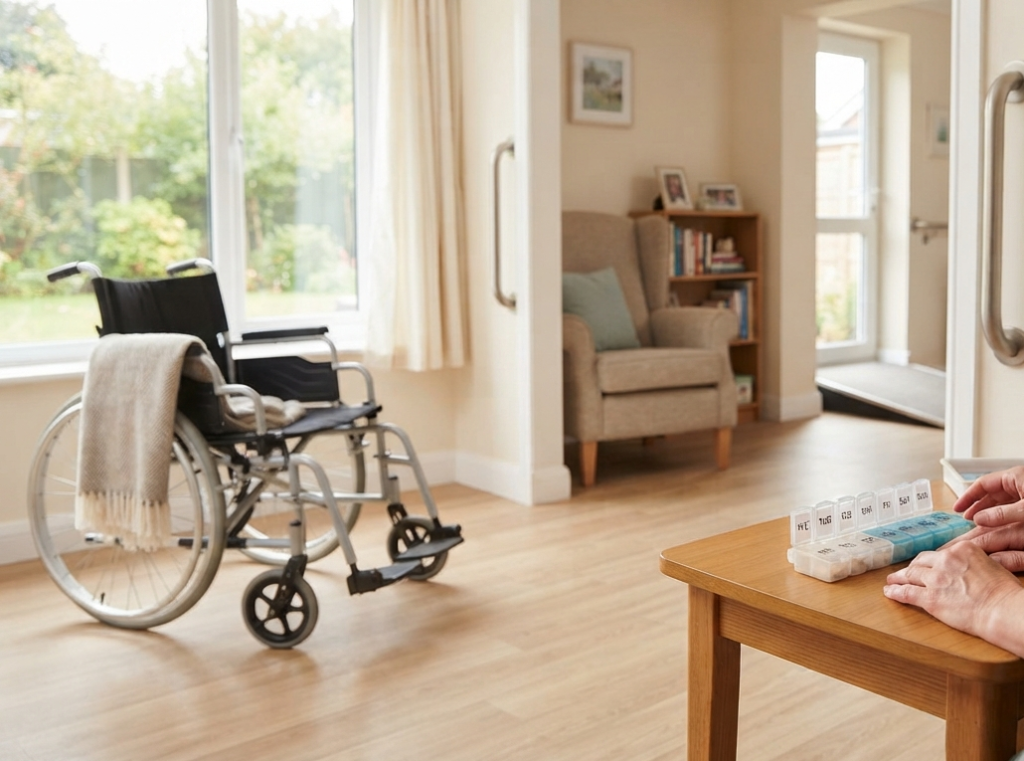
Can Adults With Cerebral Palsy Live Independently?
Yes, many adults with cerebral palsy can live independently, although the level of independence varies based on mobility, communication abilities, cognitive skills, support systems, and access to appropriate services. Some adults live completely independently, while others thrive in supported living environments that help them maintain autonomy and quality of life.
Independent living for adults with cerebral palsy refers to the ability to make personal decisions and participate in daily life with or without support services, assistive technology, or caregiving assistance.
Table of Contents
- What “Living Independently” Can Mean for Adults With Cerebral Palsy
- Factors That Influence Independent Living
- Supported Living and Family-Based Care
- When Residential Care May Be the Right Option
- Planning for the Long Term: What Families Should Consider
- How Saksham Supports Adults With Cerebral Palsy
- Frequently Asked Questions
What Does Independent Living Mean for Adults With Cerebral Palsy?
Independent living for adults with cerebral palsy” doesn’t always mean living completely alone without support. For many adults, independence means having control over daily choices while receiving the right level of assistance
| Living Arrangement | What It Usually Looks Like | Typical Level of Support |
|---|---|---|
| Independent Living | Living in one's own home or apartment while managing most daily activities independently. | Minimal or occasional assistance |
| Supported Living | Living independently with scheduled support for specific activities such as personal care, mobility, or household tasks. | Regular support for selected daily tasks |
| Family-Based Care | Living with family while receiving additional support from caregivers, therapists, or other professionals when needed. | Family support + external professional services |
| Residential Care | Living in a care setting with structured routines, ongoing supervision, and assistance based on individual needs. | 24/7 support and supervision |
The goal isn’t to fit everyone into one model. It’s to find the arrangement that maximises dignity, safety, social participation, and quality of life.
What Factors Influence Independent Living for Adults With Cerebral Palsy?
Several factors determine whether an adult with cerebral palsy can live independently or will need ongoing support.
Mobility and Transfers
Mobility needs vary widely. Some adults walk independently or with aids like crutches or walkers. Others use wheelchairs full-time and need assistance with transfers (bed to chair, chair to toilet, etc.).
Key considerations:
- Can the person move safely around the home?
- Are transfers possible without high fall risk?
- Is the home environment accessible (ramps, wide doorways, grab bars)?
Adults who need frequent physical assistance with transfers often benefit from supported living or residential care where staff are trained in safe handling. Mobility is often one of the first practical questions families face when planning independent living.
Personal Care and Daily Living
Personal care includes bathing, dressing, toileting, eating, and medication management. Some adults manage these tasks independently with adaptive equipment. Others need partial or full assistance.
Ask yourself:
- Does the person need help with bathing or dressing?
- Can they prepare simple meals or manage medications safely?
- Are there routines in place that reduce risk (e.g., scheduled reminders, caregiver check-ins)?
When personal-care needs are high and family capacity is limited, residential care or structured day-care + respite models often provide better long-term sustainability.
Health and Safety Considerations
Some adults with cerebral palsy have additional health considerations such as seizures, respiratory vulnerabilities, or swallowing difficulties. These don’t automatically rule out independent living, but they do require planning.
Consider:
- Are seizures well-controlled? Is there an emergency plan?
- Are there respiratory or swallowing risks that need monitoring?
- Can the person call for help in an emergency (phone, alarm, caregiver nearby)?
Families often search for information about adult health considerations and life expectancy, reflecting genuine concerns about long-term health and safety.
Communication and Decision-Making
Communication abilities range from fully independent speech to the use of augmentative and alternative communication (AAC) devices. Decision-making capacity also varies.
Important questions:
- Can the person express needs, preferences, and discomfort clearly?
- Do they understand information needed to make daily choices (what to eat, when to rest, who to call for help)?
- Is supported decision-making in place (family or caregivers helping interpret choices without taking over)?
Adults who struggle to communicate urgent needs (pain, breathing difficulty, falls) may not be safe living completely alone, even if mobility is good.
Family and Social Support
Even highly capable adults benefit from a strong support network. Family proximity, availability of caregivers, and social participation opportunities all influence whether independent living is sustainable.
Ask:
- Is there family or paid support available nearby?
- Does the person have regular social interaction (day programs, community activities, friends)?
- What happens during caregiver illness, travel, or burnout?
When family support is the only safety net and no backup exists, families often transition toward supported living or residential options to reduce risk.
Which Living Arrangement May Be Right for an Adult With Cerebral Palsy?
Use this decision framework:
- If an adult can make decisions and manage most daily tasks but needs help with specific physical activities then supported living may be appropriate.
- If they need substantial assistance with personal care, transfers, health monitoring or daily routines then a more structured residential setting may be considered.
- If they mainly need daytime supervision while living with family then day care may be appropriate.
- If the family needs temporary relief then respite care can provide short-term support.
- The right choice depends on the adult’s needs, family capacity, and available services.
Supported Living and Family-Based Care
For many adults with cerebral palsy, supported living is the middle ground between full independence and residential care.
What Supported Living Looks Like
Supported living can include:
- Living in a private or shared home with scheduled caregiver visits.
- Using day-care programs for structured daytime support, social activities, and therapy.
- Relying on respite care for short-term breaks when family caregivers need rest.
- Combining family-based care with external professional support (personal care assistants, nurses, therapists).
This model works well when:
- The adult has moderate support needs.
- Family is involved but needs structured backup.
- The goal is to build skills and routines while maintaining safety.
How Day Care and Respite Care Can Complement Family-Based Care
Day care provides structured daytime engagement: activities, socialisation, meals, and sometimes therapy. Respite care offers short-term relief for family caregivers, ranging from a few hours to a few weeks.
Together, they allow adults to remain in family homes while reducing caregiver burnout and maintaining quality of life.
When Might Residential Care Be Appropriate?
Residential care doesn’t have to be viewed only as a last resort. For some families, it can be a planned option when an adult needs consistent assistance that cannot be sustainably provided at home.
Families often consider residential care when:
- Mobility needs are complex: Frequent transfers or situations where safe assistance requires more than one caregiver.
- Personal-care needs are high: Full assistance with bathing, dressing, toileting, and feeding.
- Health risks require monitoring: Seizures, respiratory support, or complex medication schedules.
- Family capacity is limited: Aging parents, caregiver health issues, or lack of backup support.
- Safety concerns exist: Wandering risk, inability to call for help, or difficulty recognising danger.
- Families actively explore residential care options when these factors align.
What Residential Care Provides
A good residential care home for adults with cerebral palsy offers:
- 24/7 supervised support with personal care and mobility.
- Trained staff in safe transfers, positioning, and emergency response.
- Structured daily routines with meals, activities, and rest.
- Access to physiotherapy, nursing support, and coordinated medical care.
- Social engagement with peers and meaningful daily activities.
Planning for the Future: Long-Term Care for Adults With Cerebral Palsy
Future planning for cerebral palsy isn’t about giving up. It’s about creating a roadmap that protects the adult’s well-being when parents can no longer provide daily care.
Start Early, Even If It Feels Uncomfortable
Many families wait until a crisis (parent illness, caregiver burnout, safety incident) forces a decision. Starting early allows you to:
- Document daily routines, preferences, and health needs.
- Build relationships with potential care providers.
- Explore day care, respite, and residential options gradually.
- Make financial and legal arrangements with appropriate professionals.
Key Elements of a Long-Term Plan
- Daily profile: Document routines, communication style, likes/dislikes, triggers, and comfort measures.
- Health summary: List diagnoses, medications, allergies, emergency contacts, and preferred hospitals.
- Support network: Identify family members, friends, or professionals who can step in if needed.
- Financial planning: Consult with financial planners or legal advisors about trusts, government schemes, or insurance.
- Care options assessment: Visit day-care centers, respite facilities, and residential homes to understand what’s available.
Families increasingly seek guidance on long-term care planning and future planning for cerebral palsy, showing this is a priority concern.
How Saksham Supports Adults With Cerebral Palsy
Personalised Care Plans
Care is tailored to the individual's mobility, communication, and personal-care needs.
Multidisciplinary Team
Caregivers, nurses, and therapists support adults with disability-related care needs.
Structured Daily Routines
Daily routines can include activities, rest, social engagement, and family involvement.
Family Partnership
Families can stay involved through regular updates, visits, and collaborative decision-making.
If your family is comparing independent living, day care, respite care, and residential support, explore the adult care options available at Saksham by Kriti .
A Realistic Example of Independent Living
To understand how supported independent living works in practice, consider the Consider a hypothetical example of a young adult balancing physical challenges with daily autonomy.
Case Scenario: Rahul's Routine, a 28-year-old adult with spastic cerebral palsy, lives in an accessible apartment in an urban center. He uses a powered wheelchair for mobility, works remotely as a digital content specialist, and manages his finances entirely through digital platforms. To handle complex physical tasks, he receives assistance from a personal care aide twice a week for deep household cleaning and grocery shopping. While Rahul does not perform every physical activity independently, he maintains complete executive control over his daily schedule, career path, and social life.
Frequently Asked Questions
Yes, some adults with mild cerebral palsy live independently or with minimal support. However, independence depends on mobility, personal-care needs, communication abilities, health considerations, and available support networks. Many adults benefit from supported living arrangements that combine independence with scheduled assistance.
“Normal” looks different for everyone. Many adults with cerebral palsy pursue education, employment, relationships, and community participation. With the right support—whether through family care, day programs, or residential settings—adults with cerebral palsy can lead fulfilling, meaningful lives.
Support needs vary. Common supports include mobility aids (walkers, wheelchairs), assistance with personal care (bathing, dressing), communication tools (AAC devices), medication management, and emergency response systems. Some adults also benefit from scheduled caregiver visits, day-care programs, or respite care.
No. Residential care is one option among several. Families can also consider supported living (living at home with external caregivers), day-care programs for daytime structure, and respite care for short-term relief. The right choice depends on the adult’s needs, family capacity, and available services.
Start by documenting daily routines, health needs, and preferences. Build a support network of family, friends, and professionals. Explore day care, respite, and residential options early. Consult with financial and legal advisors about long-term planning. The goal is to create a sustainable plan that prioritises the adult’s safety, dignity, and quality of life.
Conclusion
Independence for an adult with cerebral palsy is never defined by living entirely alone or doing every physical task without help; rather, true independence is about having personal agency, dignified choices, and the right support system to guide one’s own life. While thinking about the future can naturally bring up feelings of anxiety, mapping out a proactive transition plan opens up real possibilities for personal growth, deep social connection, and lasting self-reliance. With the right combination of assistive technology, specialized care, and an empowering community environment, your loved one can step confidently into a bright, purposeful, and dignified adulthood.
Author & Medical Review
Written by: Shobhit Raghuwanshi, Saksham by Kriti
This article was reviewed by the Saksham by Kriti clinical care team to ensure that the information on long-term care, daily support, residential care and disability care reflects our experience of supporting adults with disabilities and their families.
Our Disability Care Services
Saksham By Kriti offers disability care services that respond to different stages of family need. Some families may begin with day care, others may need respite care during a period of transition, and others may be actively exploring special needs residential care or long-term disability care for an adult loved one.

Respite Care for Disabled Adults in Gurgaon
For adults with intellectual disabilities, cerebral palsy, Down syndrome, or severe learning disabilities, respite care means staying in a structured, familiar-style environment with experienced care staff, while their family rests, travels, manages medical needs, or takes time for their own wellbeing.

Day care for adults with disabilities Gurgaon
Saksham by Kriti offers structured day care for adults with intellectual disabilities, cerebral palsy & special needs in Gurgaon. Mon–Sut. Enquire now.

What After Us
At Saksham By Kriti, we understand that this question comes from care, not from guilt. Families who think about future support are not stepping away from responsibility. They are planning with courage and compassion for the long-term wellbeing of someone they love.
If you are exploring day care, respite care, residential support, or long-term planning, the next step is to contact the team directly.
Explore ore

Cost of Residential Care for Disabled Adults in Gurgaon (2026 Guide)
Wondering how much residential care costs for adults with disabilities in Gurgaon? This 2026 guide breaks down monthly fees, deposits, what’s included, and how to compare care homes in Delhi NCR.

Care Homes for Disabled Adults Near Me: A Complete Guide for Families in Gurgaon, Delhi NCR, Noida & Faridabad
Choosing the right care home for a disabled adult in Delhi NCR can feel overwhelming. This guide explains what to look for and how Saksham by Kriti in Gurugram supports families from Delhi, Noida, Faridabad, Ghaziabad, Sohna, Greater Noida, and across the NCR with compassionate long-term residential care.

Understanding Long-Term Care Options for Cerebral Palsy
A comprehensive guide to residential care, therapeutic interventions, and what families should look for in a specialised facility. When a family member is diagnosed with
If you are exploring day care, respite care, residential support, or long-term planning, the next step is to contact the team directly.