
Our Care Philosophy
What is Saksham by Kriti's care philosophy?
Saksham by Kriti’s care philosophy is centred on providing person-centred, long-term residential care for adults with disabilities through dignity, structured daily routines, multidisciplinary healthcare, and meaningful family partnerships. Our approach focuses on supporting adults with Down syndrome, cerebral palsy, severe learning disabilities, and other lifelong support needs across Gurugram and Delhi NCR.
At Saksham by Kriti, our care philosophy is simple: every adult with a disability deserves a safe, structured and dignified life, even when parents are no longer able to provide full-time care.
We are a residential care home in Gurgaon supporting families across Delhi NCR. Our work is focused on adults with Down syndrome, cerebral palsy, severe learning disabilities and multiple disabilities who need 24/7 support. Everything we do – from daily routines to medical oversight – is designed around long-term stability.
Why a Care Philosophy Matters
Families often compare facilities based on rooms, costs, or services. However, the quality of long-term disability care is equally influenced by the organisation’s care philosophy. A clear philosophy helps guide everyday decisions, supports consistency among healthcare professionals, and ensures that every resident receives care based on dignity, respect, safety, and individual needs.
These beliefs shape how we design our residential care, day care and respite care services for adults with disabilities in Delhi NCR.
What we believe
Our approach is built on a few core beliefs:
- Dignity first: Every resident is an adult, not a child. We speak to them with respect, involve them in choices where possible, and protect their privacy and personal space.
- Safety and structure: Predictable routines, clear rules and consistent caregivers reduce anxiety and help residents feel secure.
- Realistic progress: We focus on small, meaningful gains in daily living, communication, mobility and social engagement, rather than promising unrealistic “cures”.
- Family partnership: Families are not visitors; they are partners. We share information openly, involve them in care planning and respect their experience of their adult child.
- Multidisciplinary care: Good care is not just about basic supervision. It requires doctors, therapists, caregivers and coordinators working together around a single, shared care plan
Over the years, our multidisciplinary team has learned that meaningful long-term care is built through consistent routines, close collaboration, and a deep understanding of each resident's strengths, challenges, and personal goals. Small improvements achieved consistently often have a greater impact on quality of life than short-term interventions alone.
How our philosophy shapes daily care
Our philosophy is not just words on a page. It shows up in the way we run our home every day:
- Structured routine: Each day follows a clear pattern – morning care, meals, therapy or activities, rest, social time and evening routine. This helps residents know what to expect and reduces stress.
- Individualised support: While the routine is shared, support is personalised. One resident may need full assistance with bathing and feeding; another may need help with communication and community activities.
- Coordinated therapeutic support: Physiotherapy forms a regular part of our care approach. When residents benefit from additional therapies, such as occupational therapy or speech and communication therapy, our team works collaboratively with families and external specialists to support personalised care goals.
- Health monitoring: Regular doctor oversight, medication management and attention to nutrition, sleep and skin care are part of standard residential care, not special requests.
- Behaviour support with dignity: When challenging behaviours occur, we look for causes (pain, discomfort, communication barriers, changes in routine) and adjust care, rather than relying only on restraint or sedation.
This day-to-day consistency is what gives families confidence that their adult child is safe and well cared for over the long term.
How we work with families
We know that choosing residential care is one of the hardest decisions a family can make. Our philosophy is to walk alongside you, not to take over.
Our approach includes:
- Transparent conversations about what residential care can and cannot do
- Clear explanations of daily routine, care plans and medical oversight
- Regular updates and scheduled care reviews with the multidisciplinary team
- Respect for family values, cultural preferences and prior experience of caring for their adult child
We encourage families to visit, ask questions and share concerns openly. Our goal is a partnership where everyone – family, staff and doctors – is aligned on what “good care” looks like for that particular resident.
How this philosophy connects to our services
Our care philosophy is reflected consistently across every residential, day care, respite care, and long-term support service offered by Saksham by Kriti. Regardless of whether a family seeks permanent residential care, planned respite support, or structured daytime programmes, the same principles of dignity, safety, personalised care, and multidisciplinary collaboration guide every service.
Each of these services is an expression of the same philosophy: dignity, safety, routine and multidisciplinary support, delivered consistently over years, not weeks.
How Our Philosophy Supports Long-Term Wellbeing
Our care philosophy influences everyday decisions that affect a resident’s long-term wellbeing. Consistent routines, coordinated healthcare, meaningful activities, and personalised support can help reduce uncertainty, encourage participation in daily life, strengthen relationships with caregivers, and create an environment where residents feel secure and respected.
For families reading this
If you are a parent or sibling reading this page, you may be asking yourself:
- “Is this the right place for my adult child?”
- “Will they be treated with respect?”
- “What happens when I am no longer around?”
Our philosophy is designed to answer those questions at a human level, not just a service level. We cannot remove the difficulty of the decision, but we can promise this:
- We will treat your adult child as an adult.
- We will not cut corners on safety, staffing or medical oversight.
- We will keep you informed and involved, as long as you wish to be.
- We will plan for the long term, because we know this is not a temporary arrangement.
If you would like to see how this philosophy works in practice, you can read more about our residential care for adults with disabilities in Delhi NCR or meet our healthcare team
Families from Gurugram, Delhi, Noida, Ghaziabad, Faridabad, Greater Noida, and Sohna often approach Saksham by Kriti while planning long-term support for an adult family member with lifelong disabilities.
Experience Our Care Philosophy in Practice
Understanding a care philosophy is one step. Seeing how it is applied in everyday life is another.
If you are exploring long-term residential care, day care, respite care, or future planning for an adult with disabilities, we invite you to learn more about our services, meet our multidisciplinary team, or speak with us about your family’s needs.
Editorial Review
This page has been prepared by the Saksham by Kriti Editorial Team to provide clear, accurate, and family-focused information about our care philosophy and approach to long-term residential disability care.
The content is based on Saksham by Kriti’s organisational practices, multidisciplinary care model, and publicly available information about person-centred disability care. It is intended to help families better understand the principles that guide our residential care services.
Prepared by: Saksham by Kriti Editorial Team
Last Updated: August 2026
Our commitment to accuracy: We regularly review and update our website content to ensure it reflects current organisational practices, evidence-informed care principles, and the evolving needs of families seeking long-term residential care for adults with disabilities.
Frequently Asked Questions
At Saksham by Kriti, our care philosophy is built around dignity, safety, person-centred support, and long-term wellbeing. We believe every adult with a disability deserves to live in an environment where they are respected as individuals, supported according to their unique needs, and encouraged to participate in everyday life. Our approach combines structured daily routines, multidisciplinary healthcare, personalised care planning, and meaningful family involvement. This philosophy guides every aspect of our residential care, day care, and respite care services for adults with Down syndrome, cerebral palsy, severe learning disabilities, and other lifelong support needs across Gurugram and Delhi NCR.
Person-centred care means recognising that every individual has different abilities, preferences, health needs, and life experiences. Rather than providing the same support to everyone, we develop personalised care plans that consider each resident’s physical health, communication style, emotional wellbeing, daily living skills, and personal goals. At Saksham by Kriti, person-centred care also means involving residents in decisions whenever possible, respecting their independence, protecting their dignity, and working closely with families to provide consistent long-term support.
A predictable daily routine helps create stability and reduces uncertainty for many adults with disabilities. Regular schedules for personal care, meals, therapies, activities, rest, and social interaction can support emotional wellbeing while making everyday life more comfortable and organised. At Saksham by Kriti, structured routines are balanced with personalised care, ensuring that every resident receives the level of assistance and flexibility appropriate to their individual needs rather than following a one-size-fits-all approach.
Adults with disabilities often benefit from support provided by professionals with different areas of expertise. At Saksham by Kriti, our multidisciplinary approach brings together doctors, physiotherapists, psychologists, nurses, caregivers, and other healthcare professionals to work towards shared care goals. Regular communication and coordinated care planning help ensure that medical care, rehabilitation, emotional wellbeing, daily living support, and social participation are considered together, creating a more comprehensive approach to long-term residential care.
Families remain an important part of the care journey even after a loved one moves into residential care. At Saksham by Kriti, we encourage open communication, regular updates, scheduled care reviews, and ongoing discussions about each resident’s progress and changing needs. Families are invited to share their knowledge, preferences, and long-term goals so that care plans continue to reflect what matters most to the individual receiving support. We believe that strong partnerships between families and care teams contribute to better long-term outcomes.
Our care philosophy supports adults who require structured, long-term assistance with daily living, healthcare, therapy, or supervision. This includes adults living with Down syndrome, cerebral palsy, severe learning disabilities, and other developmental or lifelong disabilities. Whether a family is considering residential care, respite care, or day care services, our philosophy remains the same: providing compassionate, person-centred support that promotes dignity, safety, meaningful engagement, and long-term quality of life.
Our care philosophy shapes every part of residential life at Saksham by Kriti, from personalised assessments and daily routines to therapy programmes, family communication, and long-term care planning. Rather than focusing only on accommodation or supervision, we aim to create a supportive environment where residents receive coordinated healthcare, opportunities for meaningful participation, and consistent support tailored to their changing needs. This philosophy guides how our multidisciplinary team works together to deliver long-term residential care across Gurugram and Delhi NCR.
Saksham by Kriti combines person-centred care with a multidisciplinary model that brings together medical professionals, therapists, psychologists, nurses, caregivers, and organisational leadership. Our philosophy emphasises long-term relationships, personalised care planning, structured daily routines, and family collaboration rather than focusing solely on accommodation or basic supervision. By integrating healthcare, rehabilitation, and everyday support, we aim to create a residential care environment where adults with disabilities can live with dignity, safety, and meaningful engagement.
Other Services
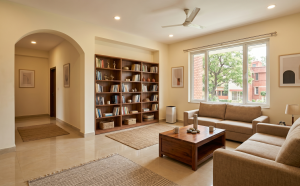

Residential Care for Adults with Disabilities in Delhi NCR
Residential care home for disabled adults in Gurgaon. Saksham by Kriti provides 24/7 nursing, physiotherapy, supported living, and long-term disability care.
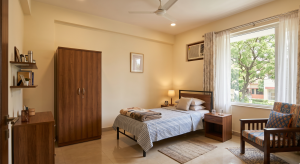
Respite Care for Disabled Adults in Gurgaon
For adults with intellectual disabilities, cerebral palsy, Down syndrome, or severe learning disabilities, respite care means staying in a structured, familiar-style environment with experienced care staff, while their family rests, travels, manages medical needs, or takes time for their own wellbeing.
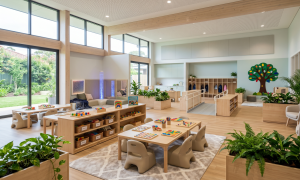
Day care for adults with disabilities Gurgaon
Saksham by Kriti offers structured day care for adults with intellectual disabilities, cerebral palsy & special needs in Gurgaon. Mon–Sut. Enquire now.
Our Team

Dr. Sanjeev Tyagi | Medical Leadership at Saksham by Kriti
Medical Leadership at Saksham by Kriti Dr. Sanjeev Tyagi Dr. Sanjeev Tyagi is an anaesthesiologist, intensivist, and pain physician with more than 25 years of
Dr. Abhishek Kumar Bajpai
At Saksham by Kriti in Gurugram, he contributes to rehabilitation programmes for adults living with Cerebral Palsy, Down Syndrome, Severe Learning Disabilities, and other lifelong conditions that may affect movement, posture, balance, coordination, or physical function. Every rehabilitation plan is developed with the individual’s abilities, goals, and overall care requirements in mind, supporting meaningful progress while respecting personal dignity and independence.